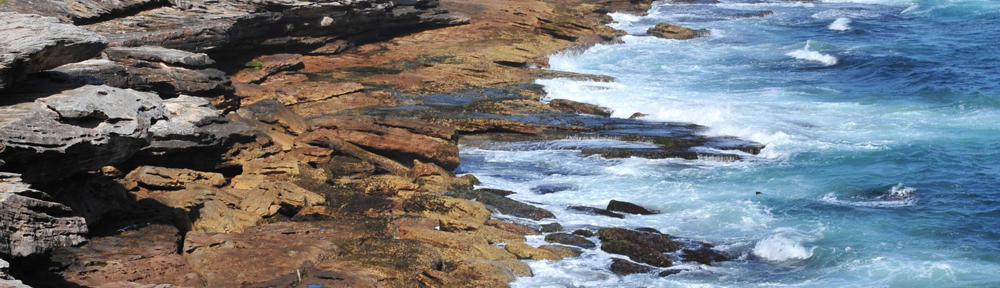
- Coastal journeys unfold through a lucky wave and into breathtaking ocean vistas
- Understanding Ocean Dynamics and Wave Formation
- The Role of Swell Direction and Period
- The Surfer's Perspective: Identifying a Rideable Wave
- Reading the Break and Anticipating the Wave
- The Science Behind the “Perfect” Wave
- The Impact of Bathymetry and Coastal Geography
- Beyond Surfing: The Wider Implications of Wave Energy
- The Enduring Symbolism of Waves and Opportunity
Coastal journeys unfold through a lucky wave and into breathtaking ocean vistas
The allure of the ocean has captivated humanity for millennia. From ancient mariners navigating by the stars to modern surfers chasing the perfect break, the sea represents freedom, adventure, and a touch of the unpredictable. Sometimes, amidst the vastness and power of the waves, a particularly fortunate confluence of conditions creates what could be described as a lucky wave – a moment of perfect form, tranquility, and exhilarating ride. This isn't merely a surfer's dream; it’s a metaphor for unexpected opportunities and the beautiful randomness that life often presents. It is in these serendipitous moments that we are reminded of the ocean’s immense power and grace.
The ocean’s energy is a constantly shifting phenomenon, shaped by winds, tides, and the topography of the seafloor. Understanding these intricate dynamics allows us to appreciate the rarity of truly exceptional wave formations. A ‘good’ wave is subjective, defined by countless variables – height, speed, shape, and the skill of the rider. But a truly memorable experience, a ride that feels effortlessly connected and utterly thrilling, often comes down to timing and a little bit of luck, the momentary confluence of all factors resulting in a wave that feels almost divinely ordained. The ocean is a complex system, and recognizing the nuances within it provides a deeper connection to the natural world.
Understanding Ocean Dynamics and Wave Formation
Waves are more than just rolling hills of water; they are a transfer of energy, typically originating from wind blowing across the ocean’s surface. The size of the wave is determined by several factors, including wind speed, the duration the wind blows, and the fetch – the distance over which the wind travels. Upon reaching shallower water, these waves undergo a transformation, slowing down and increasing in height. This process culminates in the breaking of the wave, the moment when the crest collapses and releases its energy. Different types of seabeds cause waves to break in different ways, creating everything from gentle rolling swells to powerful, barreling tubes. Recognizing these patterns is crucial to understanding and predicting the occurrence of exceptional waves.
The Role of Swell Direction and Period
Swell direction and period significantly impact wave quality and consistency. Swell direction refers to the angle from which the waves approach the shore, while the swell period describes the time between consecutive waves. A longer swell period generally indicates more energy and a cleaner, more organized wave face. Waves with a consistent swell period are often favored by surfers as they allow for predictable rides and more time to react. Knowing the swell direction allows surfers to identify the best spots to maximize their experience, as certain breaks respond better to swells from particular angles. Understanding these particulars helps to pinpoint opportunities for encountering a perfect moment.
| Swell Period (Seconds) | Wave Characteristics | Typical Surfing Experience |
|---|---|---|
| Less than 6 | Choppy, disorganized waves | Beginner-friendly, but difficult to execute advanced maneuvers |
| 6-8 | Medium-sized, relatively clean waves | Suitable for intermediate surfers, offering a balance of power and manageability |
| 8-12 | Larger, well-formed waves | Ideal for experienced surfers, providing opportunities for powerful turns and barrels |
| 12+ | Very large, powerful waves | For expert surfers only, demanding exceptional skill and knowledge of the break |
Predicting the formation of those memorable waves requires considering all these factors and more, including local bathymetry, tidal influences, and even atmospheric pressure systems. Complex wave forecasting models are now readily available, providing surfers and coastal communities with valuable insights into upcoming conditions, though even the best models can't fully account for the unpredictable nature of the ocean.
The Surfer's Perspective: Identifying a Rideable Wave
For surfers, reading the ocean is an art form developed through years of experience and observation. It involves identifying patterns in the waves, analyzing their shape, and predicting their behavior. A skilled surfer doesn’t just see a wave; they see its potential – whether it will offer a long, carving ride, a powerful barrel, or a gentle cruise. This requires a deep understanding of the break itself, including the way waves interact with the underwater topography. Recognizing subtle cues, such as the angle of the wave face and the presence of rips or currents, is crucial for making the right decision and positioning oneself for the perfect take-off. That split-second decision can often make or break the entire experience.
Reading the Break and Anticipating the Wave
Each surf break is unique, with its own personality and characteristics. Some breaks are known for consistent, gentle waves, while others are notorious for powerful, unpredictable swells. Learning the nuances of a particular break is essential for maximizing the chances of encountering a rewarding ride. This involves observing how waves break in different conditions, identifying peak spots, and understanding the currents and hazards. A lucky wave isn’t necessarily a massive wave; it's a wave that perfectly suits the surfer’s abilities and the prevailing conditions, offering a graceful and exhilarating experience. Successfully predicting a wave’s trajectory and timing the take-off are hallmarks of a skilled surfer.
- Positioning is key: Paddling into the right spot relative to the breaking wave.
- Timing is crucial: Launching the take-off at the precise moment the wave begins to lift.
- Balance and composure: Maintaining a stable stance throughout the ride.
- Reading the wave’s shoulder: Anticipating the wave’s direction and adjusting accordingly.
Beyond technical skills, a sense of intuition and connection with the ocean plays a significant role. Many surfers describe a feeling of being ‘in the zone’, where they are fully immersed in the moment and able to respond instinctively to the wave’s movements. This heightened awareness allows them to make split-second decisions and execute maneuvers with precision and grace, enhancing the feeling of riding a perfect wave.
The Science Behind the “Perfect” Wave
While the experience of riding a ‘perfect’ wave may feel subjective, there’s a surprising amount of physics involved. Wave shape, critical for generating rideable faces, is determined by the interaction between swell energy and the seafloor. Reef breaks, for example, often produce more consistent and well-formed waves than beach breaks, as the reef provides a defined underwater structure that sculpts the wave. The angle of the reef and the depth of the water play crucial roles in determining the wave’s shape and power. The ideal wave has a steep, hollow face that allows for vertical maneuvers, as well as a smooth, unbroken shoulder for carving turns. This combination of factors creates an exhilarating experience for surfers of all levels.
The Impact of Bathymetry and Coastal Geography
Bathymetry, the study of underwater topography, is paramount in understanding wave behavior. Different seafloor features – reefs, sandbars, canyons, and even submerged volcanic formations – profoundly influence how waves break and propagate. For instance, sandbars can create localized zones of steepness, resulting in powerful, barreling waves. Similarly, underwater canyons can focus wave energy, leading to larger and more consistent swells. Coastal geography, including the shape of headlands and bays, also plays a role. Headlands can deflect waves, creating protected coves with gentler surf. Understanding these interactions is critical for predicting wave quality and identifying potential surfing hotspots.
- Analyze the seafloor contours using nautical charts or sonar data.
- Observe how waves break in different conditions to identify patterns.
- Consider the influence of local currents and tides on wave propagation.
- Research historical wave data to understand long-term trends.
The study of oceanography continues to refine our understanding of wave dynamics, enabling more accurate forecasting and a deeper appreciation for the complexities of the marine environment. Predicting these conditions isn’t straightforward, there many variables in play.
Beyond Surfing: The Wider Implications of Wave Energy
The energy contained within ocean waves is immense, and harnessing this resource is becoming increasingly important as we seek sustainable energy solutions. Wave energy converters (WECs) are devices designed to capture the power of waves and convert it into electricity. Several different WEC technologies are under development, including oscillating water columns, point absorbers, and overtopping devices. While still in its early stages, wave energy has the potential to provide a significant contribution to the global energy mix, particularly in coastal regions with abundant wave resources. Reliable predictions and understanding of wave patterns is essential for maximising the effective output of these power sources. This requires in-depth study of the ocean.
The Enduring Symbolism of Waves and Opportunity
The idea of a lucky wave extends far beyond the realm of surfing. Waves, in general, represent change, momentum, and the ebb and flow of life. Just as a surfer must adapt to the ever-changing conditions of the ocean, we must all learn to navigate the uncertainties of life with grace and resilience. The ocean frequently provides a metaphor for the unpredictable nature of life, and the feeling of riding a wave can be equated to taking a calculated risk and reaping the rewards. It’s a reminder that sometimes, the greatest opportunities arise when we are open to embracing the unexpected and daring to ride the currents.
The ocean’s power to inspire and rejuvenate is undeniable. From the breathtaking beauty of a sunset over the waves to the invigorating spray of saltwater on our skin, the sea has a profound effect on our well-being. Whether it’s the thrill of a perfect ride or the quiet contemplation of the vast horizon, the ocean offers a unique opportunity for connection, escape, and a renewed sense of perspective. Continuing to learn about this dynamic environment is essential for preserving its beauty and power for generations to come, and for appreciating the occasional, perfect moment the ocean generously provides.