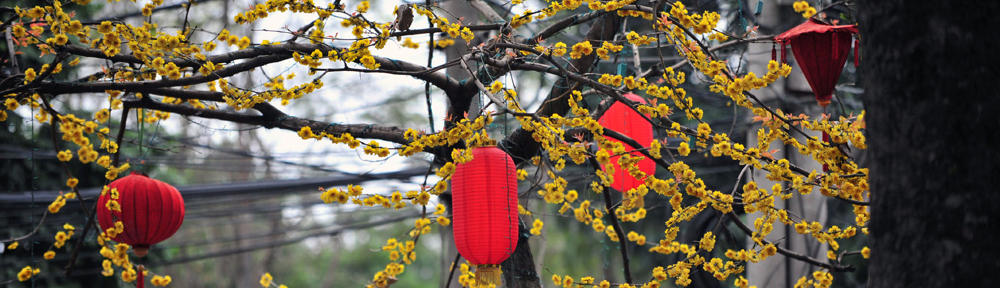
- Intricate patterns surrounding a lucky wave offer compelling artistic inspiration and tranquility
- Historical Roots and Cultural Significance
- Artistic Representations Throughout History
- The Wave in Modern Design and Aesthetics
- The Psychology of Wave Imagery
- Beyond Aesthetics: The Wave as a Metaphor for Life
Intricate patterns surrounding a lucky wave offer compelling artistic inspiration and tranquility
The concept of a lucky wave has resonated across cultures for centuries, often depicted in art, literature, and folklore as a symbol of good fortune, prosperity, and positive change. This imagery frequently manifests as stylized ocean waves, often adorned with auspicious symbols or forming patterns believed to attract beneficial energies. The enduring appeal of the lucky wave lies in its visual representation of constant motion, renewal, and the inherent potential for overcoming obstacles.
Beyond a simple decorative motif, the lucky wave taps into a deep-seated human desire for positive outcomes and a sense of control over life's uncertainties. The symbolism extends beyond mere luck, representing resilience, the power of nature, and the cyclical rhythm of life. Understanding its multifaceted meanings and artistic interpretations offers a captivating glimpse into diverse cultural beliefs and aesthetic preferences. The enduring presence of the lucky wave in contemporary design suggests a continuing need for symbols of hope and renewal in a constantly evolving world.
Historical Roots and Cultural Significance
The origins of the lucky wave motif can be traced back to various ancient civilizations, notably in East Asian cultures like Japan, China, and Korea. In Japanese art, for example, the seigaiha pattern – a series of stylized waves – is a classic representation of good luck and a peaceful sea voyage. This design, often found on kimonos and ceramics, symbolizes strength in the face of adversity and the promise of safe travels. The Chinese also associate waves with wealth and abundance, believing that they represent the flow of positive energy, known as "chi." This association extends to depictions of dragons rising from the waves, embodying power, wisdom, and prosperity. Korean traditions similarly incorporate wave patterns, often linked to longevity and prosperity, appearing in traditional paintings and decorative arts.
The symbolism isn't limited to East Asia. Across many maritime cultures, the ocean itself has been a source of both fear and reverence. Waves, while potentially destructive, were also understood as the harbingers of trade, exploration, and sustenance. This duality created a complex relationship with the sea, reflected in myths and legends where benevolent sea deities often control the waves. In Polynesian cultures, intricately carved wooden canoes featured wave-like designs intended to ensure a safe and successful journey. These early expressions of wave symbolism demonstrate a universal human tendency to interpret natural phenomena through the lens of belief and aspiration.
| Culture | Wave Symbolism | Common Representations |
|---|---|---|
| Japan | Good luck, peaceful journey, strength | Seigaiha pattern on kimonos and ceramics |
| China | Wealth, abundance, positive energy (Chi) | Dragons rising from waves |
| Korea | Longevity, prosperity | Traditional paintings and decorative arts |
| Polynesia | Safe passage, connection to the ocean deities | Wave-like designs on canoes |
The persistence of these interpretations across diverse societies underscores the universal emotional resonance of the wave as a symbol of both challenge and opportunity. The powerful imagery of a wave encapsulates the dynamic nature of life, reinforcing the belief that navigating life’s ebbs and flows with resilience can lead to a favorable outcome.
Artistic Representations Throughout History
The lucky wave has profoundly influenced artistic expression across various mediums, evolving in style and technique while retaining its core symbolic meaning. From traditional woodblock prints of the Edo period in Japan featuring the iconic Great Wave off Kanagawa by Hokusai, to contemporary digital artwork, the wave continues to inspire artists worldwide. Hokusai's masterpiece, for example, isn't simply a depiction of a powerful wave; it represents the immensity of nature and the vulnerability of humanity. The wave's dynamic form and dramatic composition have made it one of the most recognizable images in art history. Furthermore, the wave motif frequently appears in the decorative arts – ceramics, lacquerware, and textiles – demonstrating its widespread cultural appeal.
The artistic interpretation of waves extends beyond direct depiction. Abstract expressionism and other modern movements have embraced the wave's inherent energy and fluidity, using swirling colors and dynamic brushstrokes to convey a sense of movement and emotional intensity. Sculptors have also experimented with wave forms, creating pieces that evoke the ocean’s power and grace. The representation of a lucky wave doesn’t always necessitate realism; it often leans into stylized, symbolic representations that emphasize its auspicious qualities. This highlights the adaptability of the image, allowing artists to imbue it with their own unique ideas and aesthetic sensibilities.
- The Great Wave off Kanagawa: A quintessential example of Ukiyo-e artistry.
- Chinese Porcelain: Frequently adorned with wave patterns symbolizing wealth.
- Korean Minhwa Paintings: Incorporate waves representing longevity and good fortune.
- Contemporary Digital Art: Utilizing wave forms to explore themes of chaos and order.
- Abstract Sculptures: Focusing on the energy and movement of waves.
The enduring fascination with the wave in art is not merely aesthetic; it is rooted in a deep psychological connection to the ocean and its symbolic weight. Artists continue to explore the wave's potential, using it to express a range of emotions and ideas, solidifying its place as a powerful and timeless artistic motif.
The Wave in Modern Design and Aesthetics
The appeal of the lucky wave extends far beyond traditional art forms, finding a prominent place in modern design aesthetics across various industries. From graphic design and interior decor to fashion and product packaging, wave patterns are frequently employed to evoke feelings of tranquility, energy, and positive association. The fluidity and organic form of the wave lend themselves well to creating visually appealing and dynamic designs. The psychological impact of these designs often subconsciously links back to the symbolic meanings of the wave—prosperity, resilience, and peacefulness. For instance, wave patterns are regularly used in spa and wellness branding, reinforcing the idea of relaxation and rejuvenation.
In architectural design, wave-like structures and flowing lines are becoming increasingly popular, often utilized to create visually striking and harmonious spaces. These designs often mimic the natural curves of waves, creating a sense of fluidity and connection to the environment. The use of wave-inspired motifs in textile design and fashion adds a subtle yet significant aesthetic element. Patterns mimicking waves are frequently found on clothing, upholstery, and wallpaper. The versatility of the wave allows it to be adapted to a wide range of styles, from minimalist and modern to bohemian and eclectic. Brands are increasingly recognizing the power of incorporating these motifs to create a positive brand image and resonate with consumers.
- Branding for Wellness Industries: Utilizing wave patterns to evoke relaxation and rejuvenation.
- Architectural Design: Creating flowing spaces with wave-like structures.
- Textile Design: Incorporating wave motifs into clothing and home furnishings.
- Graphic Design: Employing waves to create dynamic and visually appealing layouts.
- Product Packaging: Using wave imagery to suggest freshness and energy.
This pervasive presence in modern design speaks to the enduring relevance of the wave as a symbol of positivity and renewal. The adaptability of the design allows it to be seamlessly integrated into various aesthetic contexts, making it a consistently popular choice for designers and consumers alike.
The Psychology of Wave Imagery
The human brain is inherently drawn to patterns, and the wave, with its repeating curves and rhythmic motion, is particularly captivating. This natural attraction likely stems from our evolutionary history, where recognizing patterns in the natural world was crucial for survival. The ocean, as the source of life and a powerful force of nature, has always held a significant place in the human psyche. The visual representation of waves triggers a primal response, evoking feelings of awe, wonder, and a connection to something larger than ourselves. Beyond this innate response, the wave also carries specific psychological associations. The crest of a wave symbolizes achievement and overcoming obstacles, while the trough represents moments of introspection and quietude.
Color also plays a crucial role in the psychological impact of wave imagery. Blue hues, commonly associated with the ocean, evoke feelings of calmness, serenity, and stability. Green shades bring to mind nature, growth, and renewal. The contrast between light and dark within a wave pattern can create a sense of drama and dynamism, mirroring the fluctuating nature of emotions. This psychological connection explains why wave imagery is often used in therapeutic settings to promote relaxation and reduce stress. Furthermore, the continuous movement of a wave can symbolize the flow of time and the acceptance of change. The inherent fluidity of the shape encourages a sense of release and letting go.
Beyond Aesthetics: The Wave as a Metaphor for Life
The enduring power of the lucky wave lies not only in its visual appeal but also in its potent metaphorical resonance. Life itself can be likened to a series of waves – periods of growth and prosperity followed by challenges and setbacks. Learning to navigate these "waves" with resilience and grace is a central theme in many philosophies and spiritual traditions. The wave serves as a reminder that change is inevitable, and that even in the midst of turbulence, there is beauty and potential for growth. This metaphor extends to personal development, encouraging individuals to embrace challenges as opportunities for learning and transformation.
Consider the analogy of surfing. A skilled surfer doesn’t fight against the wave; they ride it, harnessing its energy and adapting to its movements. This embodies a proactive and resilient approach to life's challenges. The lucky wave, therefore, isn’t simply about avoiding hardship; it’s about embracing the entire cycle of experience, recognizing that both the peaks and the valleys are essential for growth. This understanding fosters a sense of acceptance and inner peace, allowing individuals to navigate life's uncertainties with greater confidence and optimism. The wave, in this context, becomes a powerful symbol of adaptability, resilience, and the enduring human spirit.